ARCTIC EXPEDITION CRUISES

Journey to the Land of the Polar Bear

Navigate pristine Arctic waters aboard ice-strengthened expedition vessels. Experience the midnight sun, encounter magnificent polar bears, and explore remote wilderness from Svalbard to the legendary Northwest Passage.

May – September

Expedition Season

5°C to 10°C

Summer Temperature

24-Hour Daylight

Midnight Sun

From $4,677 USD

Starting Price

Explore the High Arctic

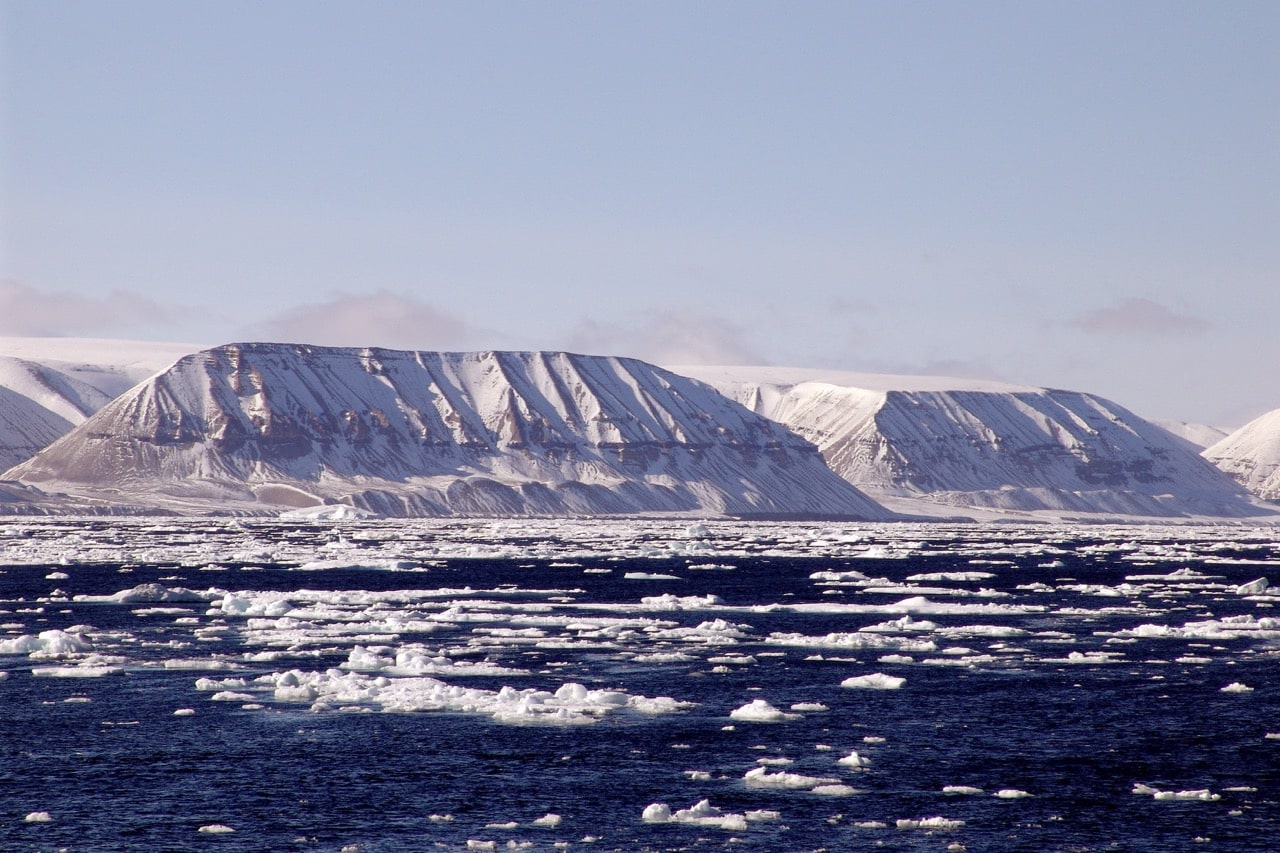
Arctic expedition cruises navigate pristine waters north of the Arctic Circle, exploring destinations like Svalbard, Greenland, Iceland, and the legendary Northwest Passage aboard ice-strengthened vessels designed for polar exploration. With summer temperatures significantly warmer than Antarctica and 24-hour daylight during the midnight sun season, the Arctic offers extended shore excursions, incredible hiking opportunities, and the planet’s most reliable polar bear sightings.
Svalbard Norway

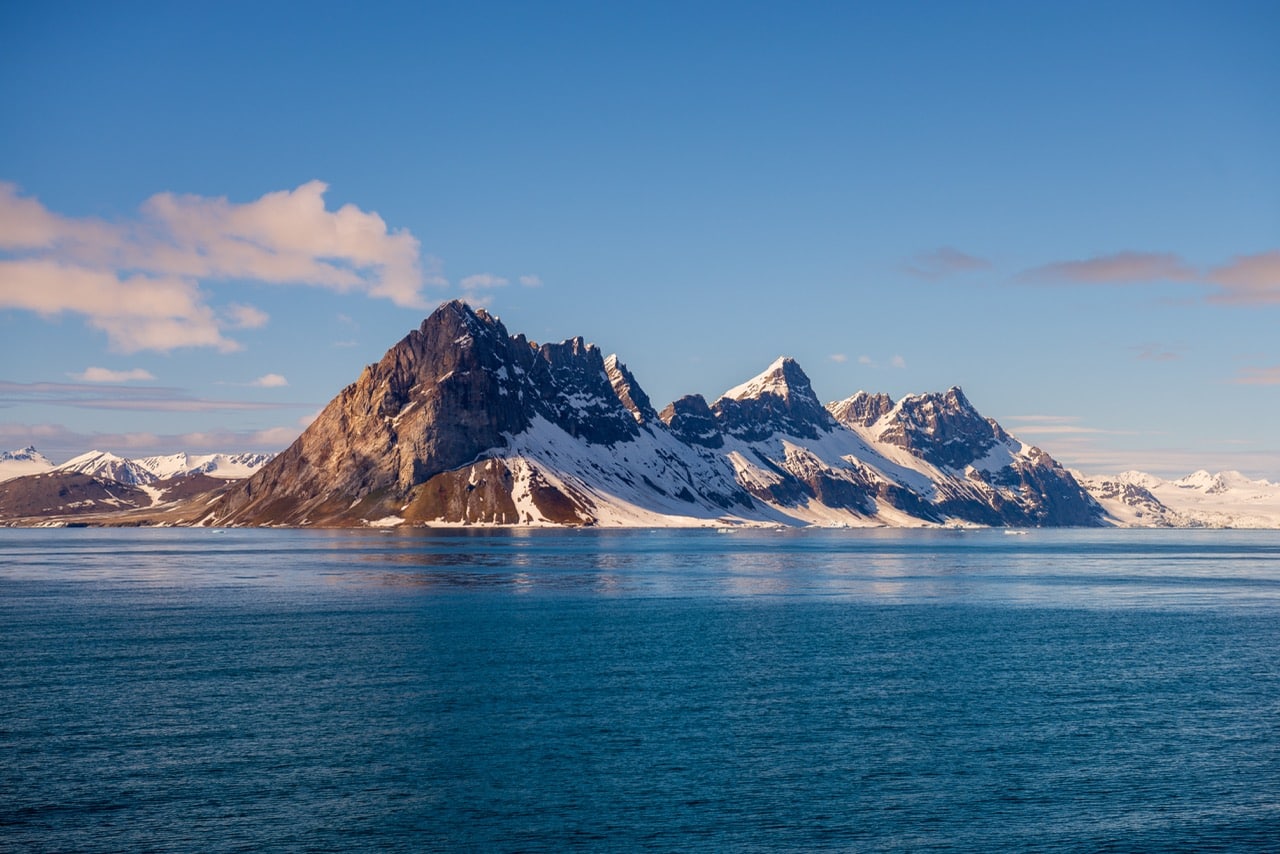
Svalbard, Norway

Greenland

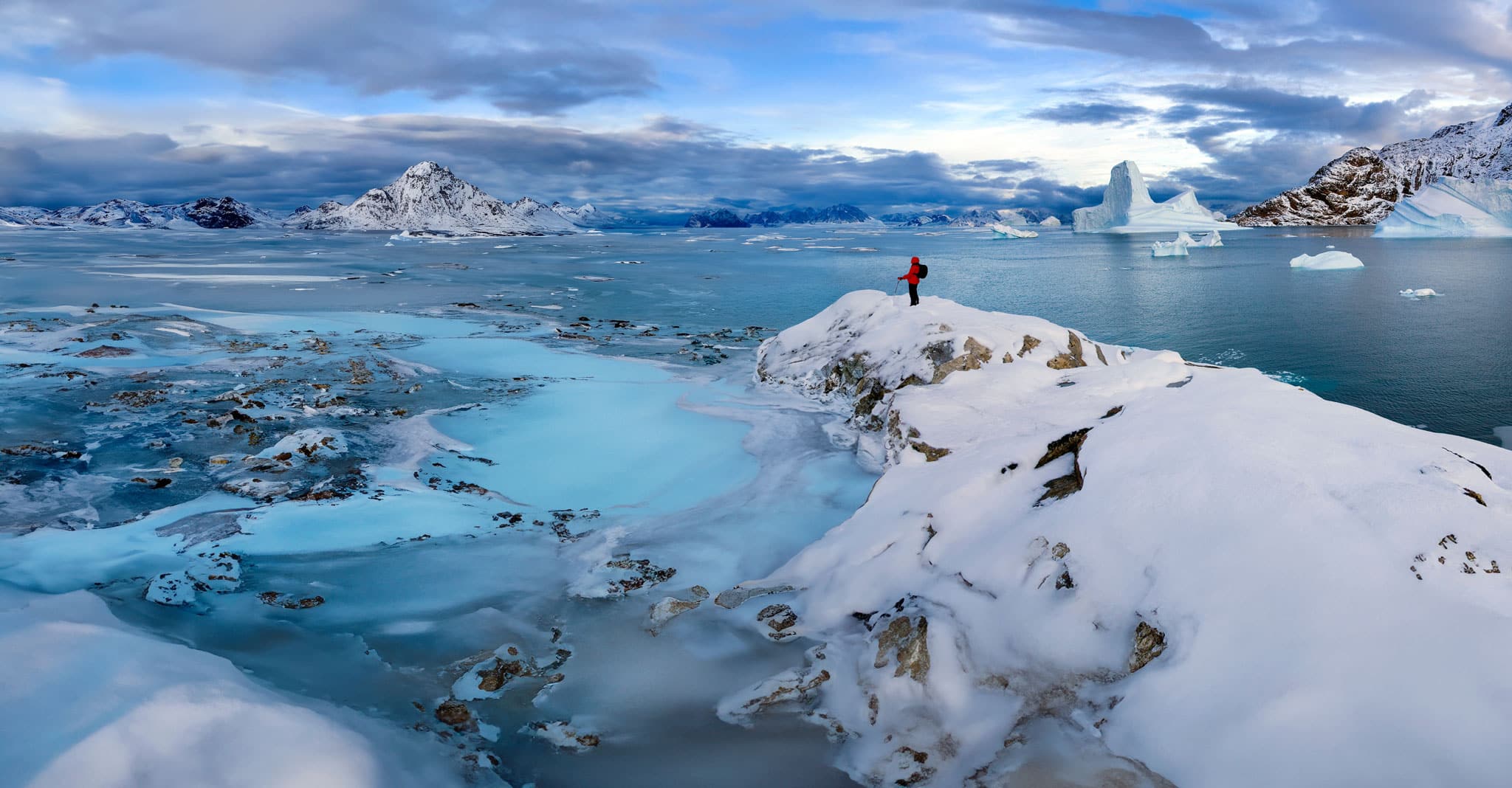
Greenland

Iceland

Iceland

Northwest Passage

Northwest Passage

Polar Bear Encounters

Svalbard hosts 3,000 polar bears—more than its human population. Experience the world’s most reliable polar bear sightings with 90%+ success rates.

Midnight Sun Magic

24-hour daylight from May to July creates endless golden-hour photography opportunities. Wildlife remains active around the clock under the ethereal Arctic glow.

Tundra Exploration

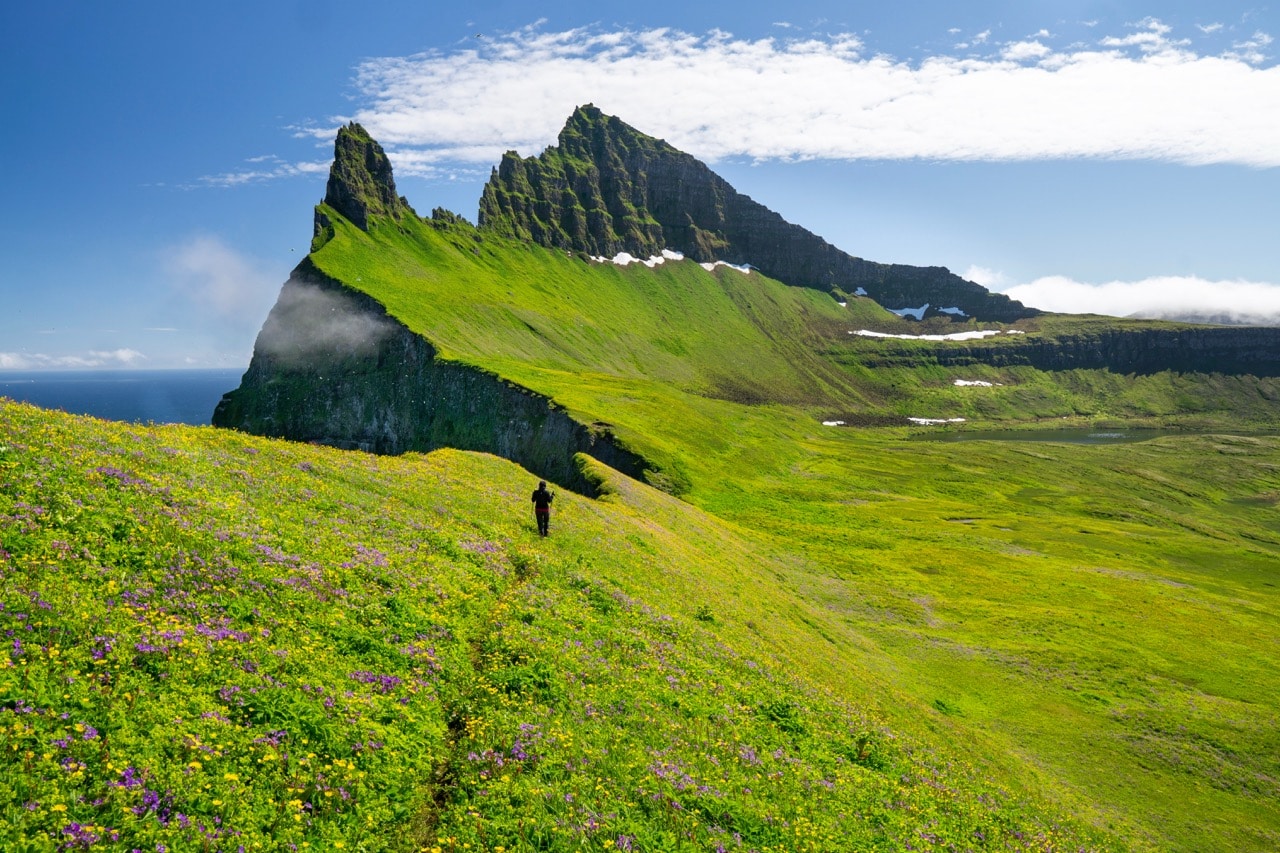
Warmer conditions than Antarctica allow extended hiking across flowering tundra, exploring historic sites, and zodiac cruising through dramatic fjords.

Choose Your Expedition

Popular Arctic Expedition Itineraries

From accessible Svalbard wildlife safaris to epic Northwest Passage transits, Arctic expeditions offer diverse adventures for every interest and budget. Our specialists will match you with the perfect voyage.
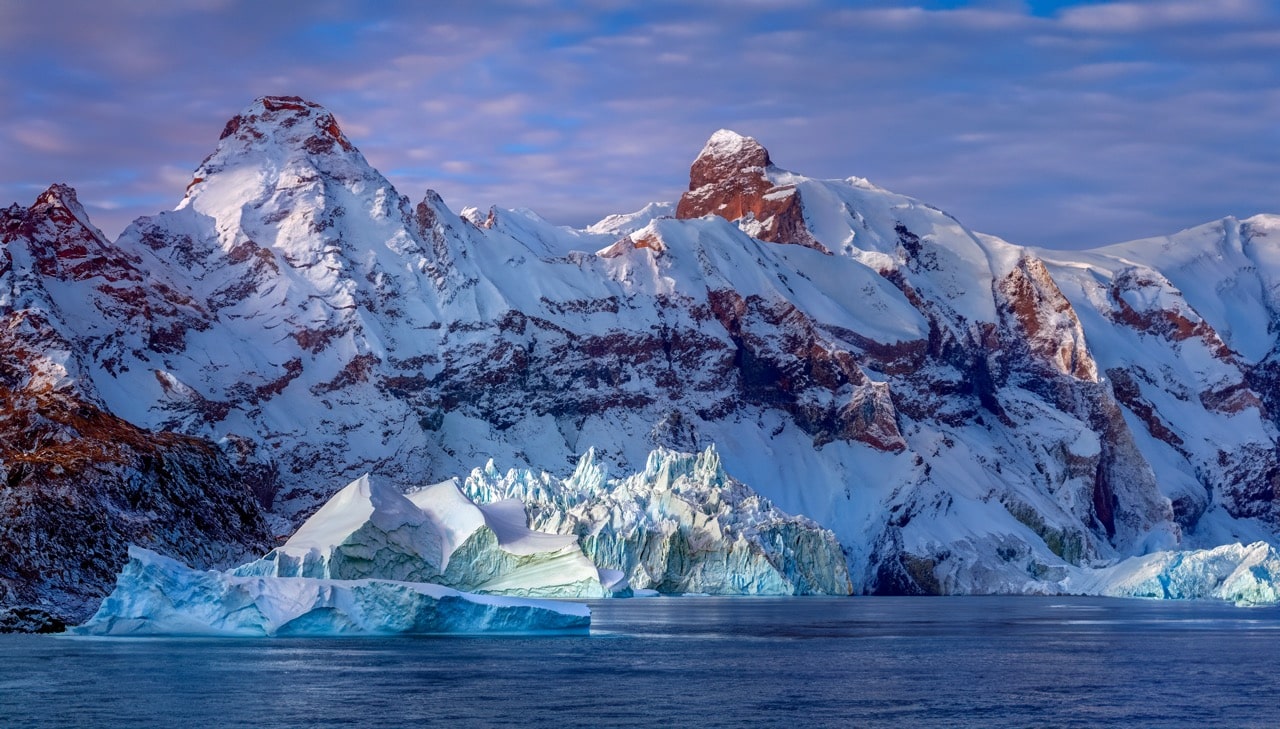
Svalbard Circumnavigation

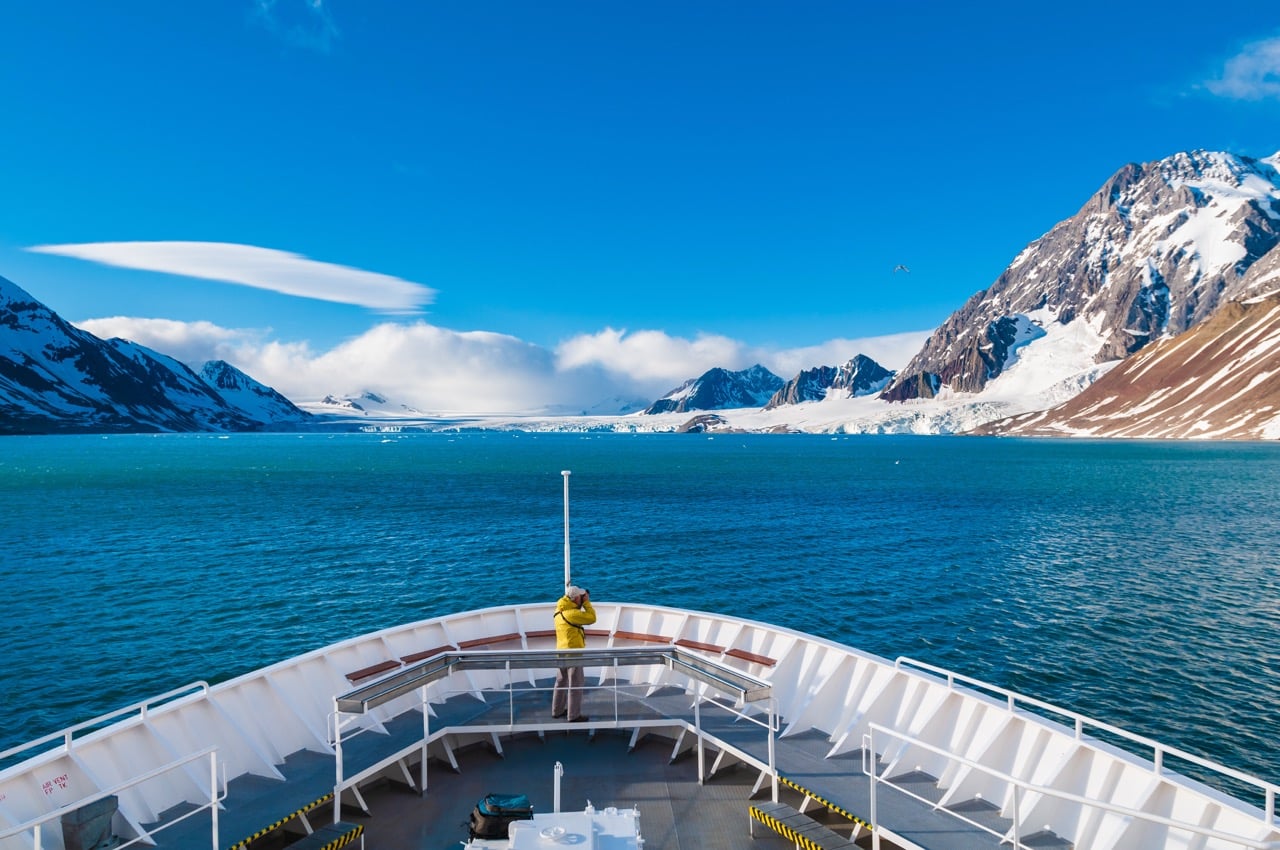
Svalbard Circumnavigation

Duration: 10-14 days

Route: Longyearbyen roundtrip

Highlights: Polar bears, walrus colonies, dramatic fjords, midnight sun

Known For: Highest polar bear sighting success (90%+)

Price Range: $4,677–$15,000 USD

Greenland Explorer

Greenland Explorer

Duration: 10-16 days

Route: East or West Greenland from Reykjavik

Highlights: Massive icebergs, Inuit culture, musk oxen, Scoresby Sund

Known For: World’s largest fjord system, northern lights

Price Range: $6,000–$15,000 USD

Northwest Passage Transit

Northwest Passage Transit

Duration: 17-29 days

Route: Atlantic to Pacific (or reverse)

Highlights: Historic Franklin sites, Inuit communities, narwhals

Known For: Ultimate Arctic challenge, only 300 completions since 1906

Price Range: $18,495–$50,995 USD

Compare Destinations

Arctic Regions at a Glance

Region Season Wildlife Highlights Unique Features Price Range
Svalbard, Norway May-Aug Polar bears, walrus, reindeer Midnight sun, accessible wilderness, 3hrs from Oslo $4,677-$15,000 pp
East Greenland Jul-Oct Musk oxen, Arctic hare, seals Massive icebergs, Inuit culture, Scoresby Sund $6,000-$15,000 pp
Northwest Passage Jul-Sep Narwhals, beluga, polar bears Historic exploration routes, Inuit communities $18,495-$50,995 pp
Iceland & Westfjords Jun-Sep Puffins, Arctic foxes, whales Volcanic landscapes, hot springs, accessible $4,000-$8,000 pp
Franz Josef Land Jul-Aug Polar bears, ivory gulls, walrus Remote Russian archipelago, exclusive access $12,000-$20,000 pp
Arctic Zodiac Expedition

Experience the Arctic Your Way

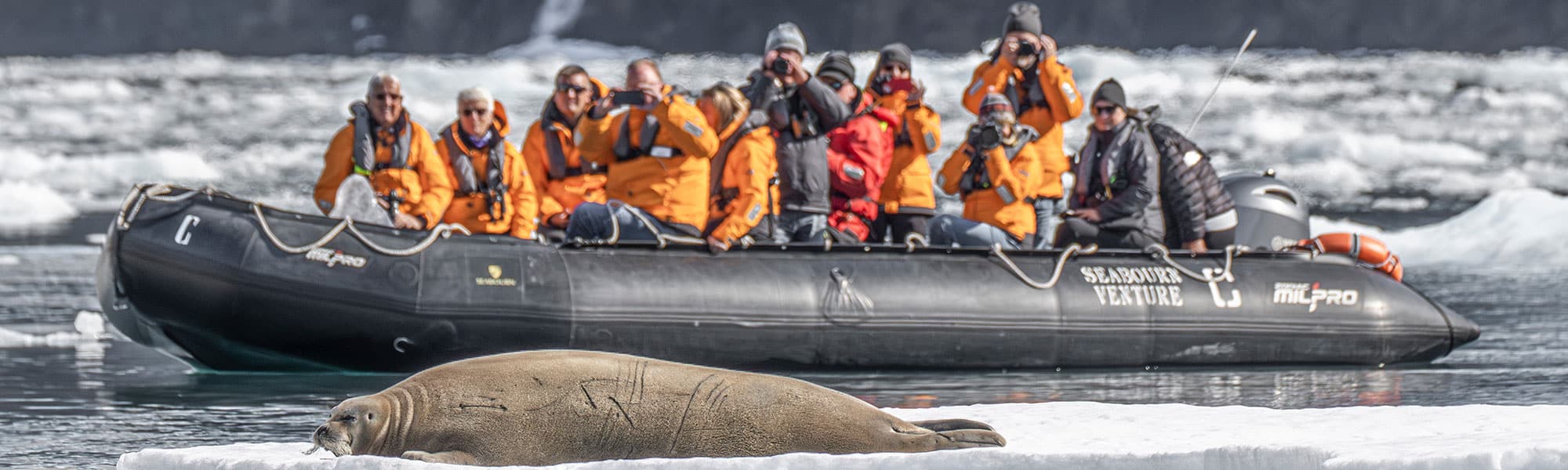
Arctic expeditions deliver 2-3 landings per day, taking full advantage of warmer conditions and 24-hour daylight. Explore dramatic fjords by zodiac, hike across flowering tundra carpeted with Arctic wildflowers, and kayak alongside calving glaciers.

Cultural encounters distinguish Arctic voyages, with visits to remote Inuit communities, historic whaling stations, and scientific research bases adding depth to wildlife-focused adventures.

  • Daily zodiac cruises through ice-filled fjords
  • Extended tundra hikes in warmer conditions
  • Sea kayaking among icebergs and glaciers
  • Inuit cultural experiences and traditional performances
  • Historic site visits (Franklin expedition, whaling heritage)

Arctic Wildlife

What Wildlife Will You Encounter in the Arctic?
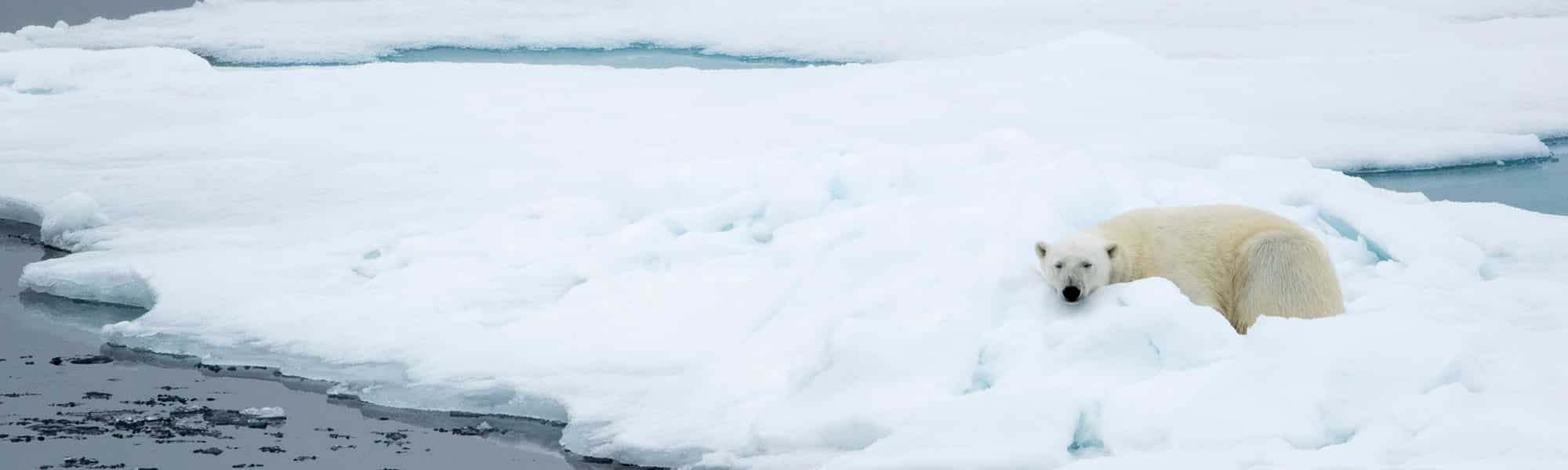
Polar Bear Arctic

June – August Peak

King of the Arctic

Polar bears reign supreme in Svalbard, where 3,000 bears roam an archipelago with just 2,500 human residents. June through August offers optimal viewing as bears hunt seals along retreating ice edges. Expedition teams track radio-collared bears for optimal encounters with 90%+ sighting success.

Walrus Arctic

Throughout Season

Marine Mammal Spectacle

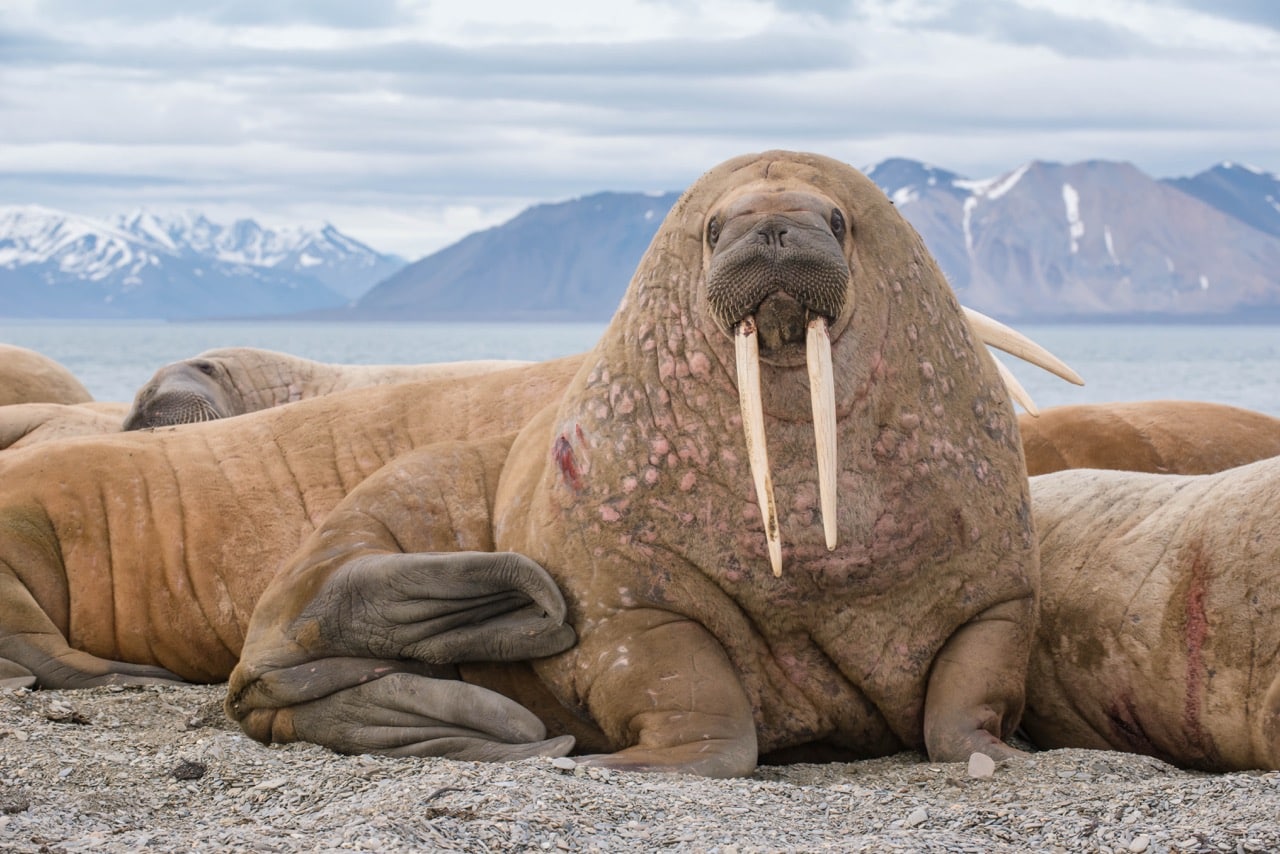
Walrus colonies haul out on specific beaches, with dominant males weighing up to 2,000 kilograms. Bearded seals, ringed seals, and harp seals populate ice floes, while beluga, humpback, minke, and even blue whales feed in nutrient-rich waters. The elusive narwhal frequents Northwest Passage waters.

Puffins Arctic

May – August Breeding

Seabird Colonies

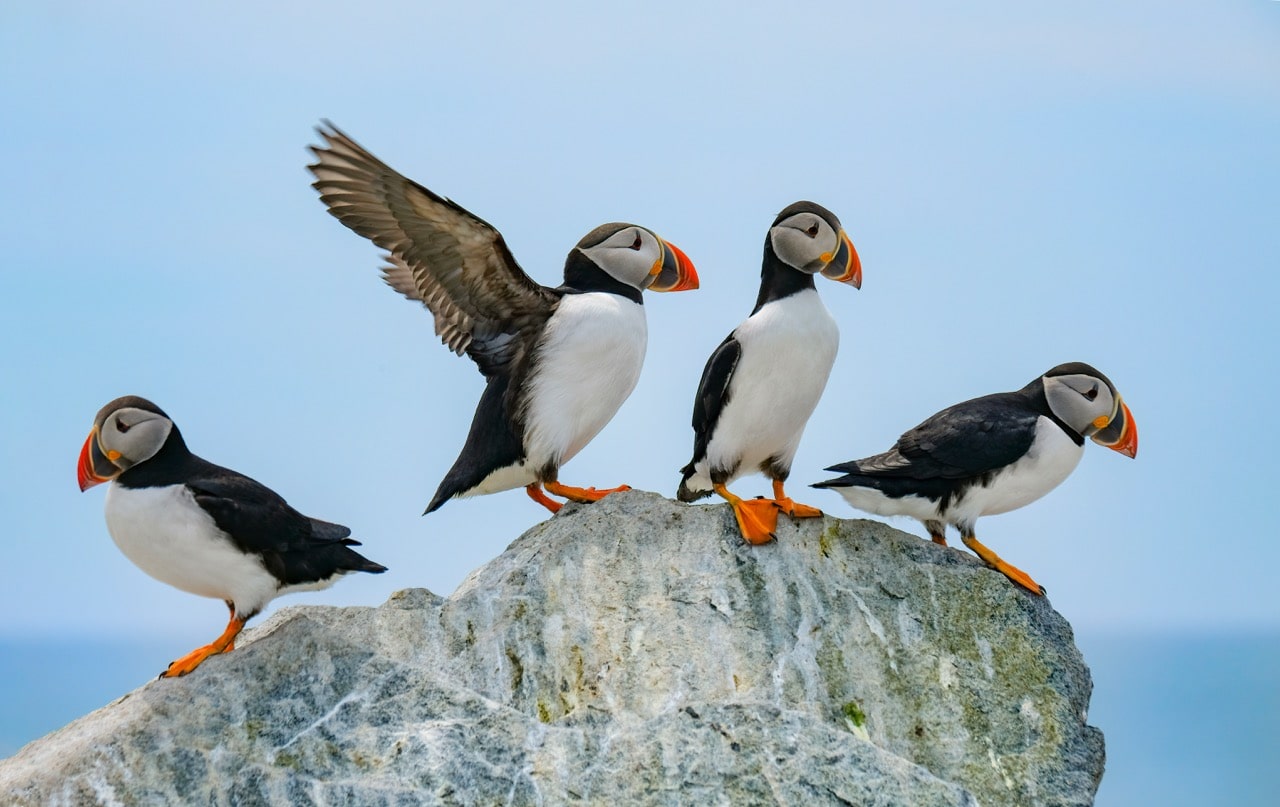
Over 40 seabird species breed in Arctic waters during summer. Atlantic puffins nest in coastal burrows, while towering cliffs host millions of Brünnich’s guillemots, little auks, and kittiwakes. Arctic terns complete the longest migration on Earth, breeding here after flying from Antarctica.

Svalbard Spotlight

Svalbard: The Accessible Arctic

Just three hours by flight from Oslo, Svalbard offers the most accessible Arctic wilderness on Earth. Nearly two-thirds of the archipelago exists as protected reserves, creating a pristine habitat where polar bears, walrus, and endemic Svalbard reindeer thrive.
  • Wildlife Wonderland – 3,000 polar bears outnumber the 2,500 human residents; endemic Svalbard reindeer graze tundra valleys
  • Circumnavigation Voyages – 10-14 day expeditions explore the entire archipelago including remote northeastern ice edges
  • Short Expeditions Available – 7-day voyages focus on western Spitsbergen’s dramatic fjords for travelers with limited time
  • Easy Access – Direct flights from Oslo to Longyearbyen take just 3 hours; visa-free for Australian passport holders
  • 2025 Conservation Updates – New regulations ensure respectful polar bear viewing distances while maintaining excellent sighting success

Find Your Arctic Expedition Today!

We’ll help find the best expedition that takes you to polar bear territory, dramatic fjords, and wilderness beneath the midnight sun.

Midnight Sun Arctic
THE ENDLESS DAY

What’s the Midnight Sun Really Like?

Understanding 24-Hour Daylight

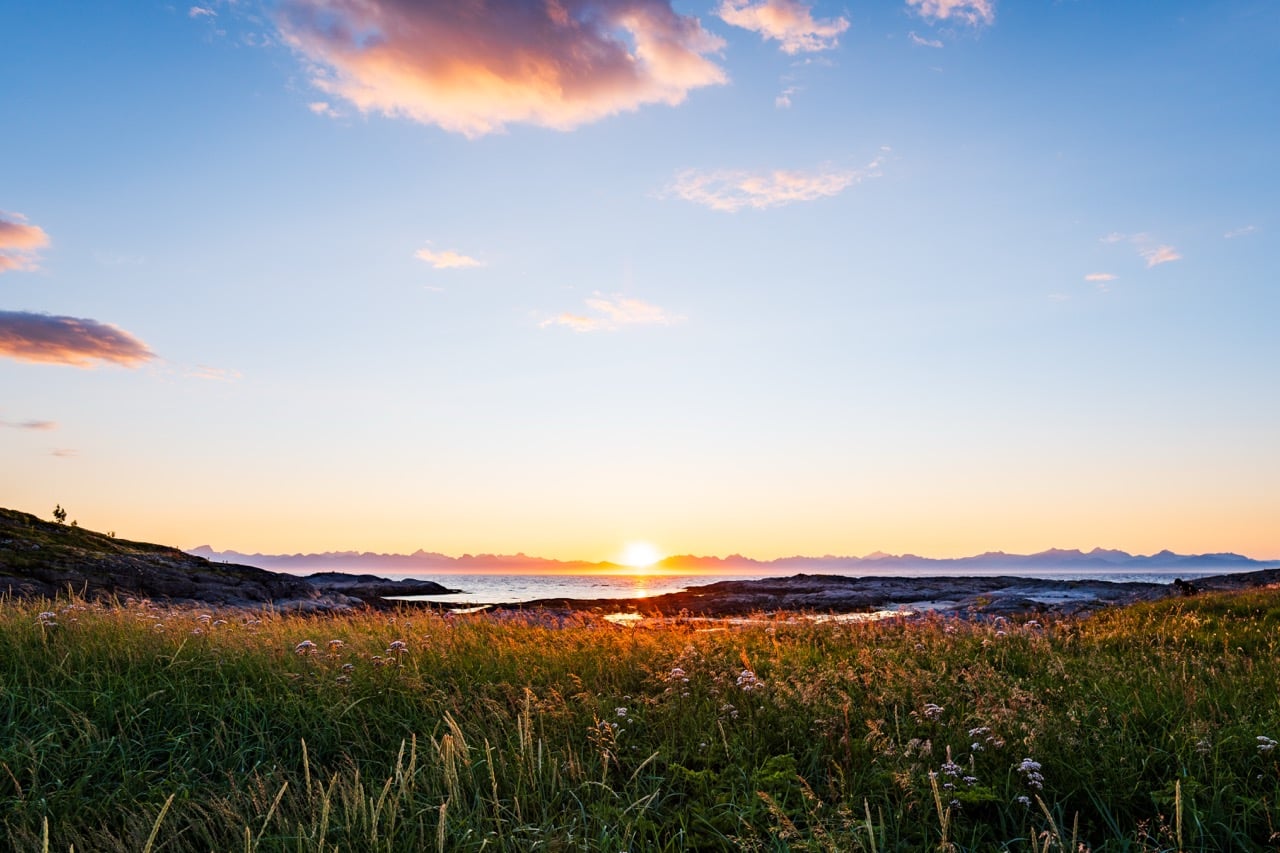
From late May through mid-July, the sun never sets above the Arctic Circle. This creates extraordinary golden-hour photography conditions that last for hours rather than minutes, with wildlife remaining active around the clock. Expedition schedules adapt to conditions rather than clock time, maximising wildlife encounters.

Preparing for Endless Light

Most ships provide blackout curtains for sleep, though many guests embrace the unusual schedule. Eye masks help those sensitive to light. The midnight sun allows for spectacular late-night zodiac excursions and wildlife viewing when conditions are optimal, regardless of traditional meal times.

GETTING THERE

How Do Australian Travelers Access the Arctic?

European Gateway Cities

Most Australian travellers route through Dubai or Singapore to European gateway cities. Oslo connects to Svalbard (3-hour flight to Longyearbyen), Reykjavik serves Greenland and Iceland expeditions, while Copenhagen offers access to multiple Arctic regions. Total journey time averages 24-28 hours.

Visa Requirements

Australian passport holders enjoy visa-free entry to Norway (Svalbard), Iceland, and Denmark (Greenland) for up to 90 days. Northwest Passage cruises may require Canadian eTA or US ESTA depending on embarkation/disembarkation ports. Russian Arctic cruises need advance visa arrangements.

Flight Route to Arctic from Australia

Plan Your Timing

Best Time to Visit the Arctic

The Arctic expedition season runs from May through September, with each period offering distinct advantages for different interests.

May – Early June

Spring Awakening

Sea ice still extensive with polar bears hunting on floes. Polar bear cubs emerge with mothers. Seabirds return to nesting cliffs. Snow-covered landscapes for pristine photography.

June – July

Midnight Sun Peak

24-hour daylight ideal for photography. Polar bears hunt along retreating ice edges. Wildflowers carpet the tundra. Maximum wildlife activity around the clock. Peak season pricing.

August

Prime Wildlife

Warmest temperatures (up to 10°C). Excellent whale watching. Seabird colonies at peak activity. Walrus congregate on beaches. Fewer mosquitoes than July. Northern lights begin.

September – October

Aurora Season

Northern lights displays as darkness returns. Autumn colours on tundra. Excellent value pricing. Fewer crowds. East Greenland Scoresby Sund optimal for aurora photography.

Polar Experts

Expedition specialists who know Arctic waters and can match you with the perfect itinerary.

Exclusive Perks

Access to special deals, onboard credits, and amenities not available when booking direct.

Personalised Planning

Custom itinerary recommendations based on your interests, season preferences, and expedition style.

Full Support

Assistance from booking through disembarkation—we’re with you every step of the journey.

Essential Information

Arctic Expedition FAQs

The Arctic offers terrestrial mammals absent from Antarctica—polar bears, Arctic foxes, reindeer, and musk oxen. Antarctica provides larger penguin colonies and more diverse seal species. Both regions feature whales, though species differ. Many wildlife enthusiasts visit both poles to experience the unique ecosystems of each.

Yes, significantly. Summer Arctic temperatures reach 5-10°C, compared to Antarctica’s -2 to 3°C. This allows lighter clothing layers, extended shore activities, and more comfortable hiking. Arctic expeditions typically include longer excursions thanks to these milder conditions.

July can bring mosquitoes to some Arctic regions, particularly inland areas. Ships provide insect repellent, and sea breezes minimise encounters during coastal explorations. August typically sees fewer mosquitoes while maintaining excellent wildlife viewing.

Nuclear icebreaker expeditions reach 90°N from Murmansk, Russia (USD $30,000+). Svalbard expeditions typically reach 80-82°N depending on ice conditions. North Pole voyages are specialised adventures requiring significant planning and budget.

Arctic waters generally remain calmer than Antarctica’s Drake Passage. The Greenland Sea and Barents Sea can experience swells, but most Svalbard cruising occurs in protected fjords. Norwegian coastal routes offer particularly sheltered cruising.

The “best” depends on your priorities. Quark and Lindblad excel for wildlife-focused adventures. Hurtigruten offers excellent value with Norwegian heritage. Ponant and Silversea deliver luxury expedition experiences. Our specialists match you with the ideal operator for your style.

Comprehensive travel insurance including emergency evacuation is mandatory for all Arctic expeditions. We recommend coverage of at least USD $100,000 for medical evacuation given the remote locations. We can suggest specialist polar travel insurance providers.

Budget for flights to gateway cities ($2,000-$4,000 from Australia), optional activities ($300-$1,000), gratuities ($15-$20/day), beverages, and personal gear. Pre/post-expedition hotels in gateway cities may be additional depending on your itinerary.

Ready to Explore the Arctic?

Speak to an Arctic specialist who knows these waters. Get expert guidance on the perfect itinerary, ship, and timing for your polar bear adventure.