RESOURCES

First Timer’s Guide to Polar Expeditions

Everything you need to know before embarking on your first expedition cruise to Antarctica, the Arctic, South Georgia, or Greenland. From choosing the right ship to packing essentials—we’ve got you covered.

4 Destinations

Polar Regions to Explore

10-24 Days

Typical Voyage Length

50-200 Guests

Expedition Ship Size

From $8,000 USD

Starting Prices

What Is an Expedition Cruise?

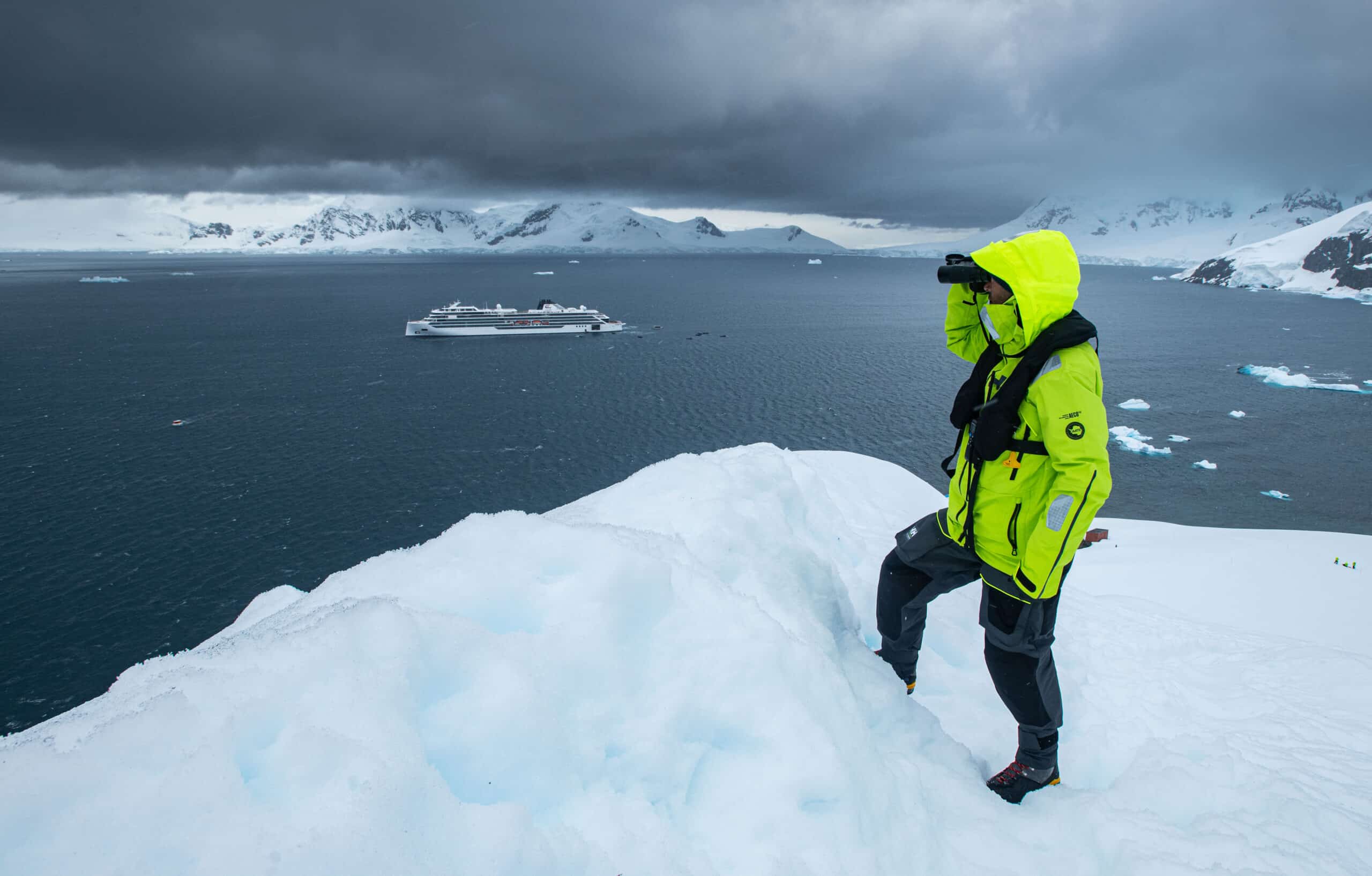
An expedition cruise is vastly different from a traditional ocean cruise. Rather than entertainment venues and midnight buffets, the focus is on exploration, wildlife encounters, and immersive experiences in remote wilderness. Small expedition ships (typically 50-200 guests) carry zodiacs for shore landings and expert naturalists who guide you through some of Earth’s most pristine environments. Each day brings new adventures—from walking among penguin colonies to kayaking past towering icebergs.

Small Ship Experience

Expedition vessels carry 50-200 passengers, allowing intimate wildlife encounters and multiple daily landings. IAATO regulations limit shore parties to 100 people at a time.

Expert Expedition Team

Naturalists, marine biologists, historians, and photographers guide every excursion. Their knowledge transforms sightings into meaningful encounters and lasting memories.

Flexible Itineraries

Weather and wildlife dictate each day’s adventures. Expedition leaders adapt constantly—your journey will be unique, and that’s the beauty of polar travel.

Choose Your Adventure

Which Polar Destination Is Right for You?

Each polar region offers distinct experiences. Understanding the differences will help you choose the perfect first expedition.
Antarctica

Antarctica

Nov – March | From $8,000

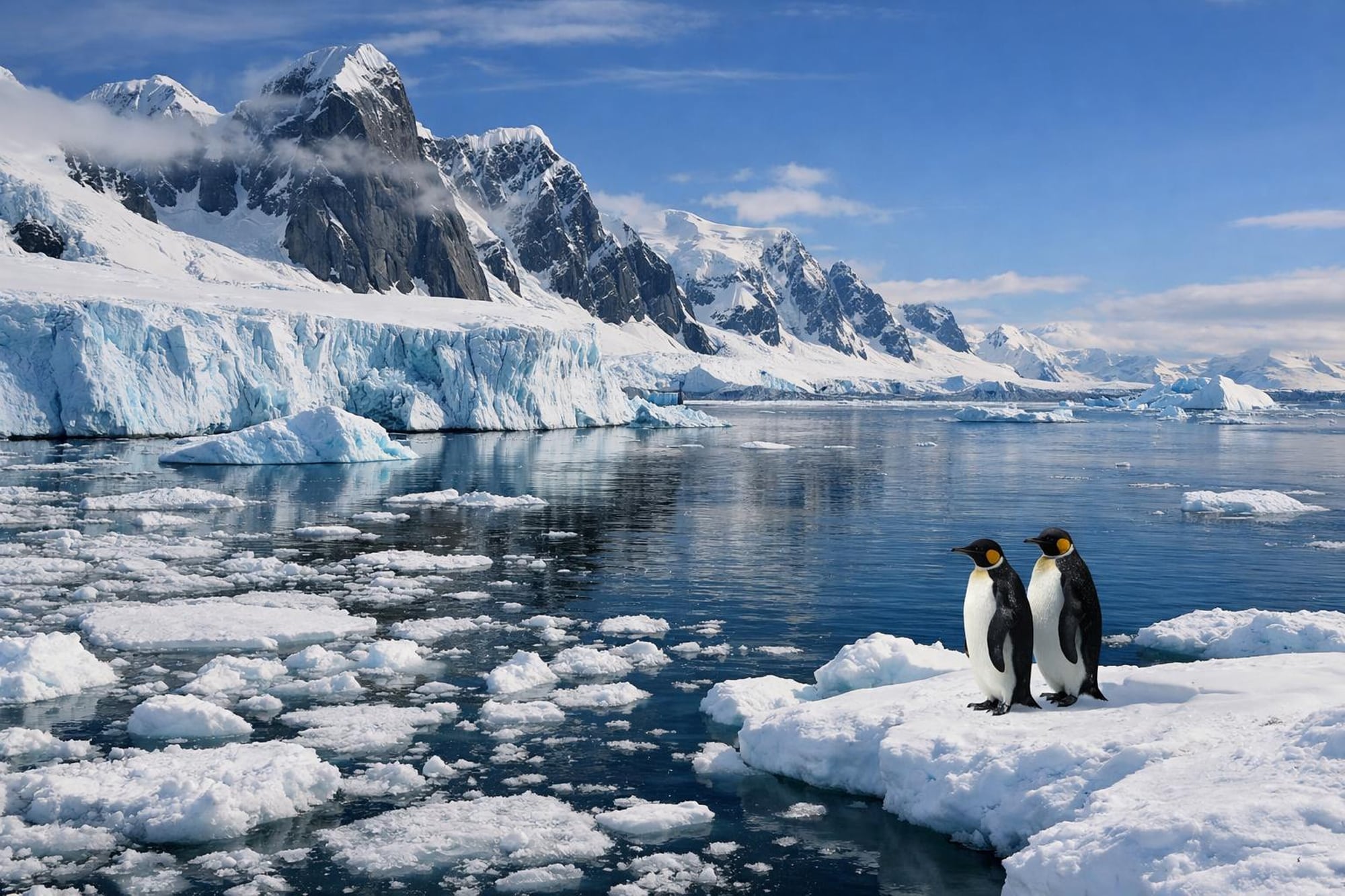
The ultimate bucket list destination. Massive icebergs, penguin colonies, and pristine wilderness. Most popular for first-timers.

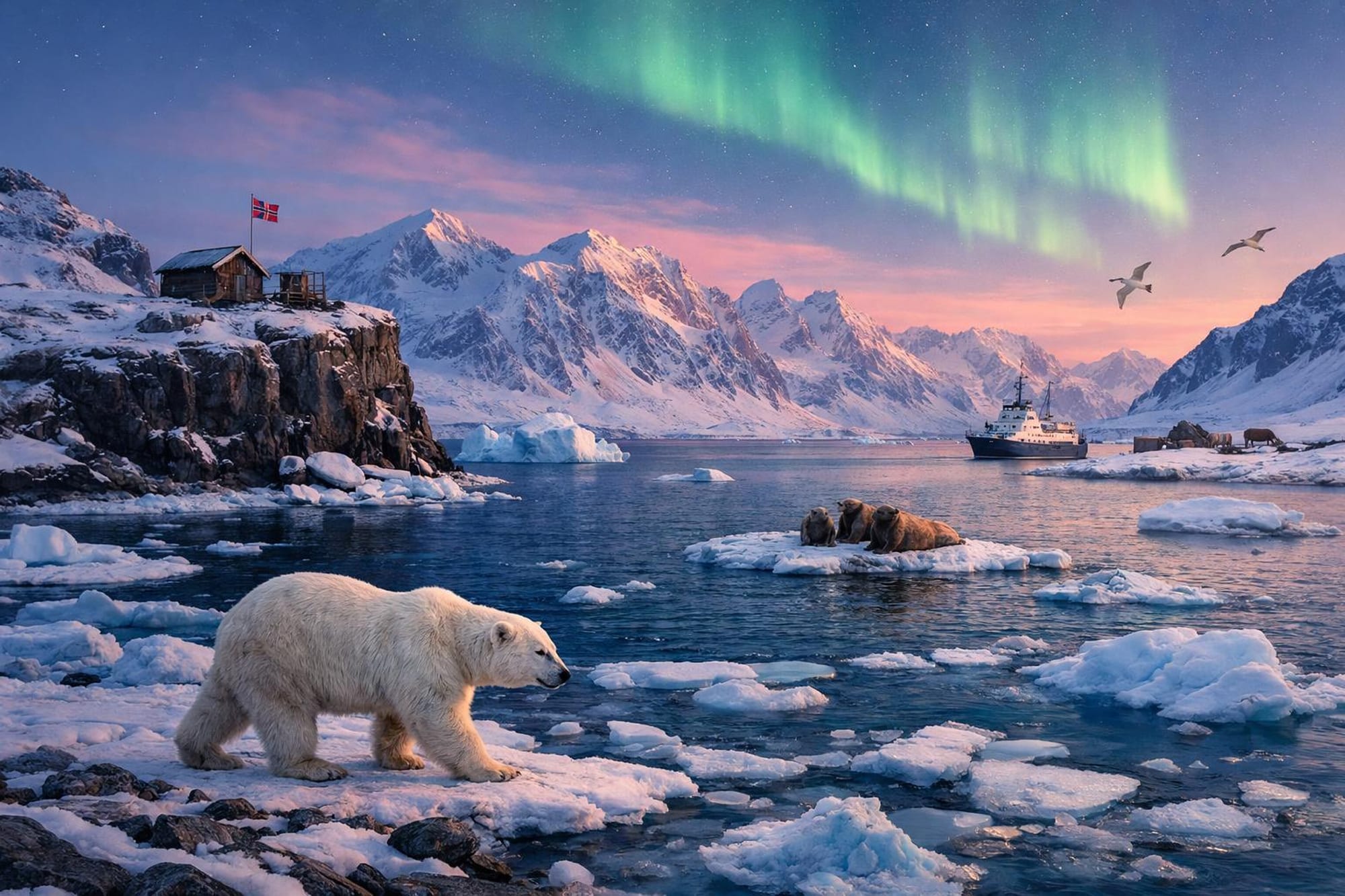
Arctic

Arctic & Svalbard

May – Sept | From $5,000

Polar bears, midnight sun, and accessible wilderness. Warmer than Antarctica with diverse landscapes and indigenous cultures.

South Georgia

South Georgia

Nov – March | From $15,000

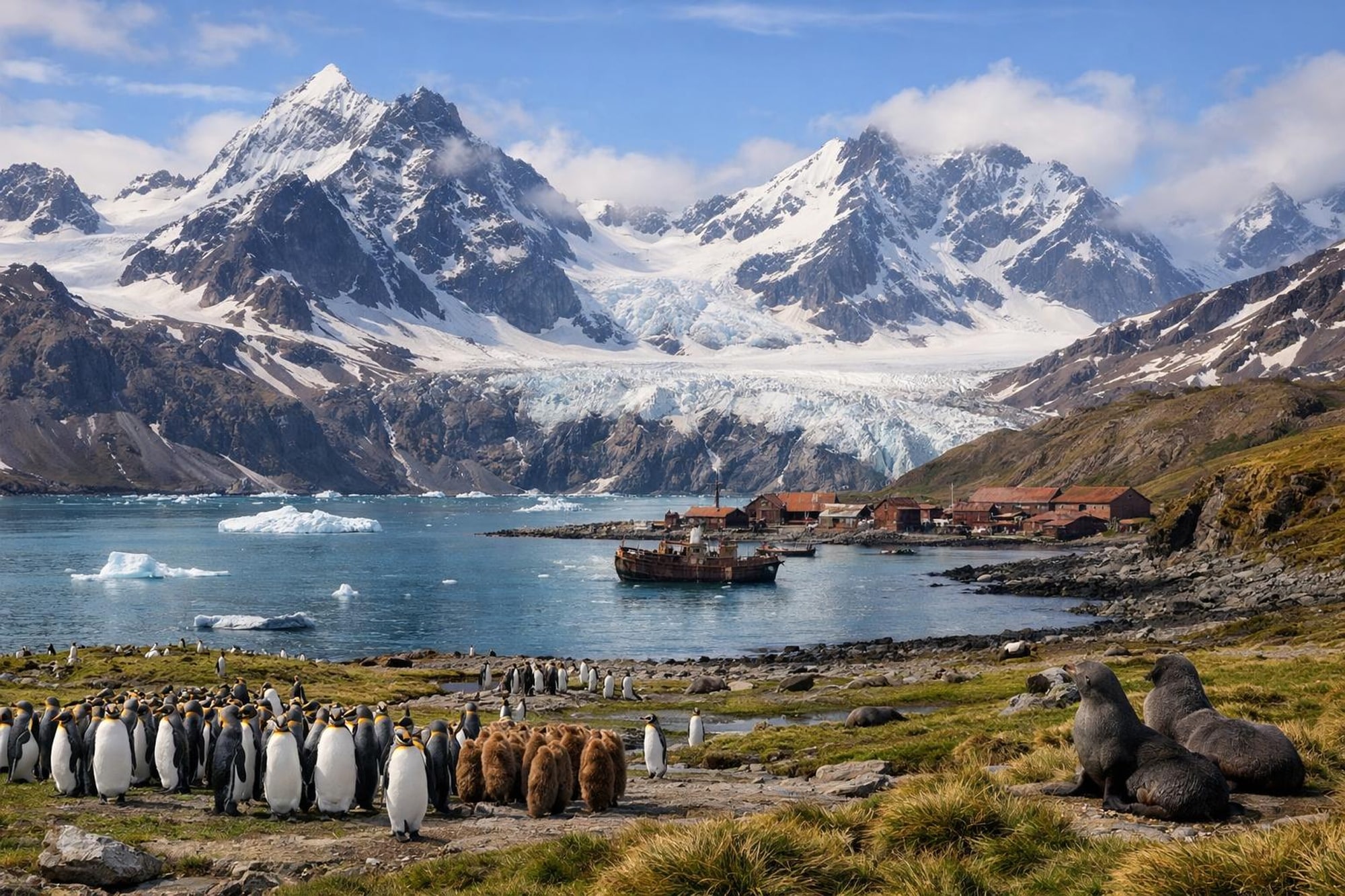
Wildlife capital of the world. 450,000+ king penguins, elephant seals, and Shackleton history. Usually combined with Antarctica.

Greenland

Greenland

June – Oct | From $5,000

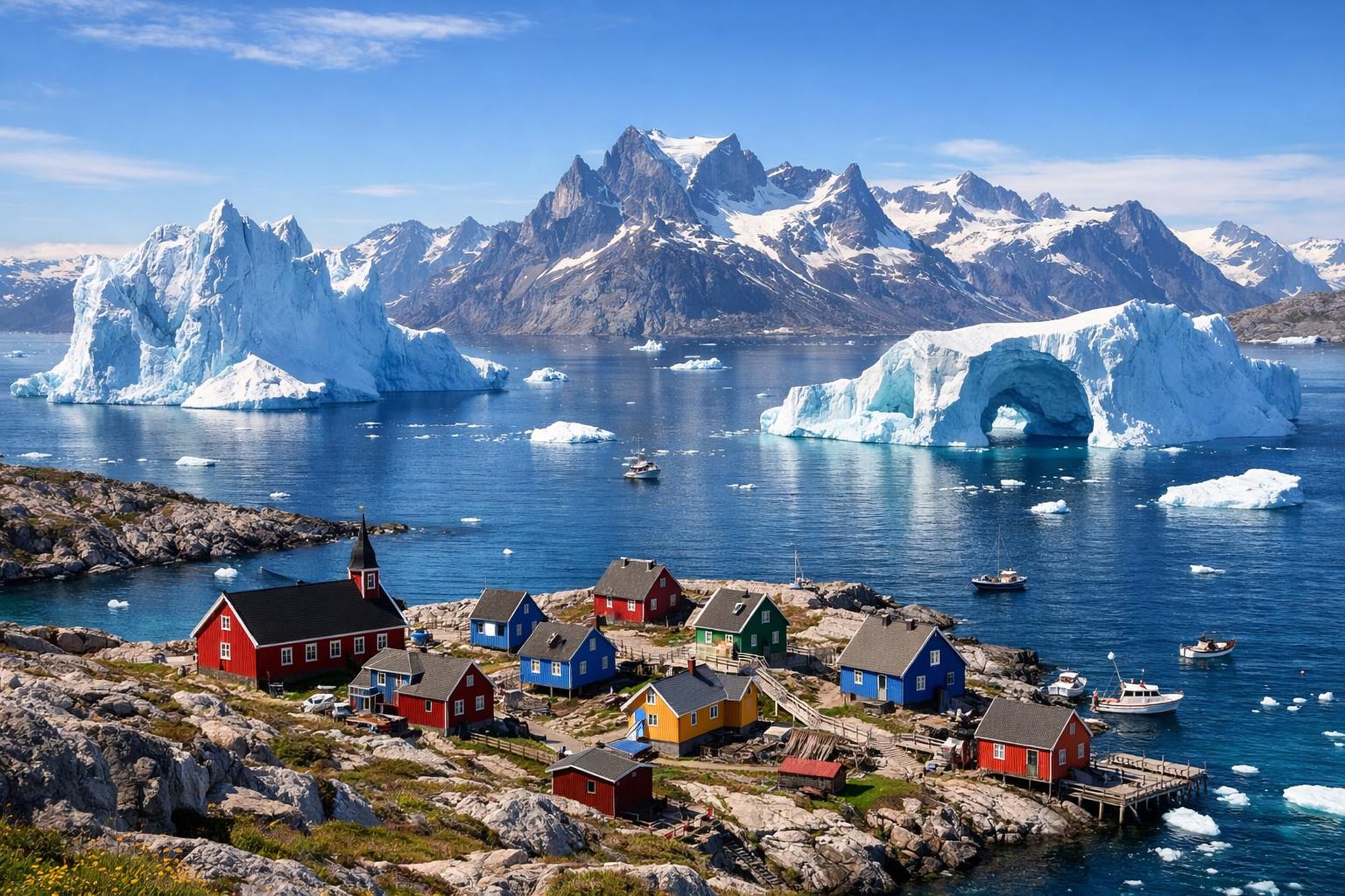
Colossal icebergs, Inuit culture, and the world’s longest fjords. Combine with Iceland or Arctic for epic adventures.

Life on Board

What to Expect on Your Expedition Ship

Expedition ships range from comfortable adventure vessels to ultra-luxury experiences. All share a focus on exploration over entertainment, with expert teams, excellent dining, and observation decks designed for wildlife watching.
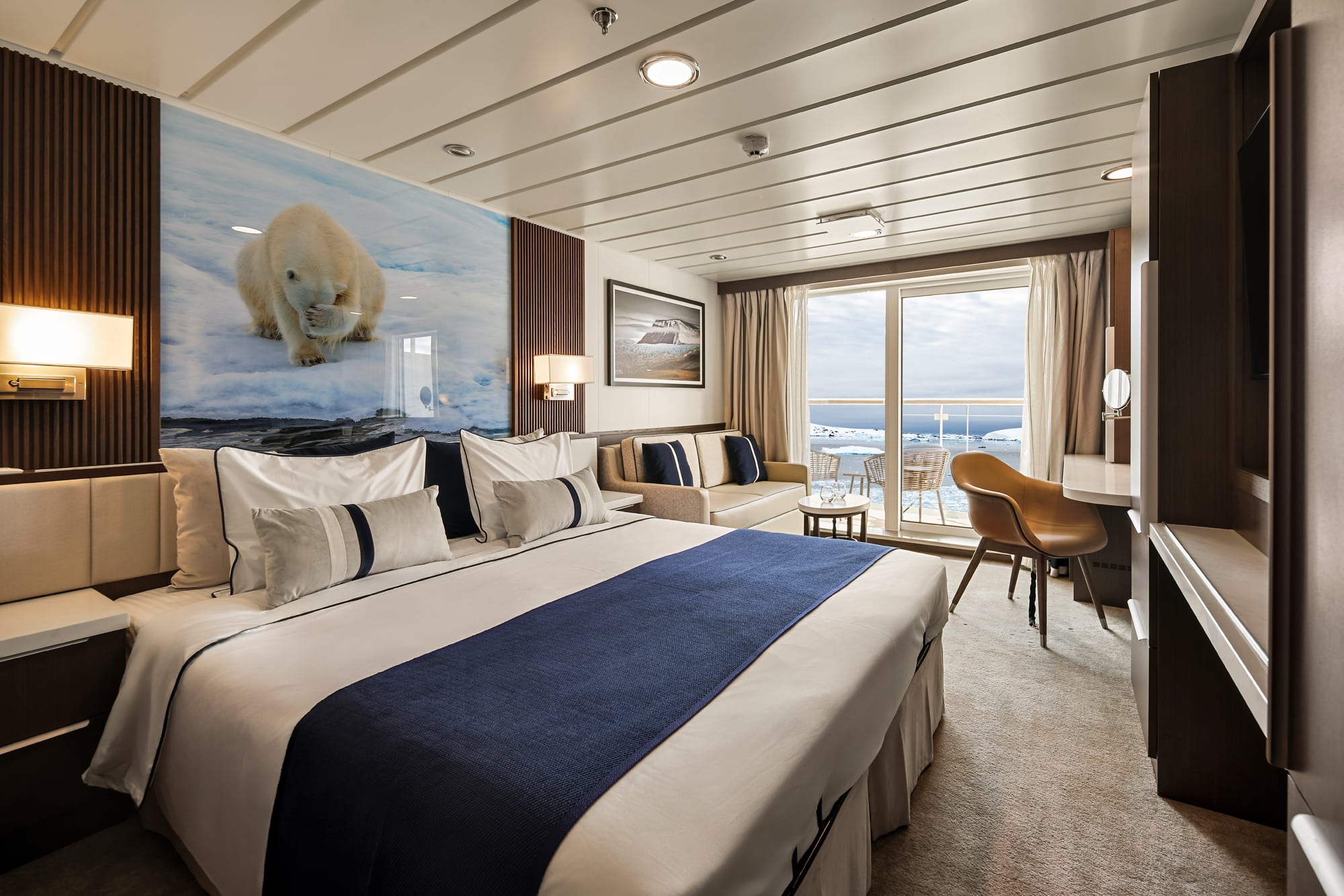
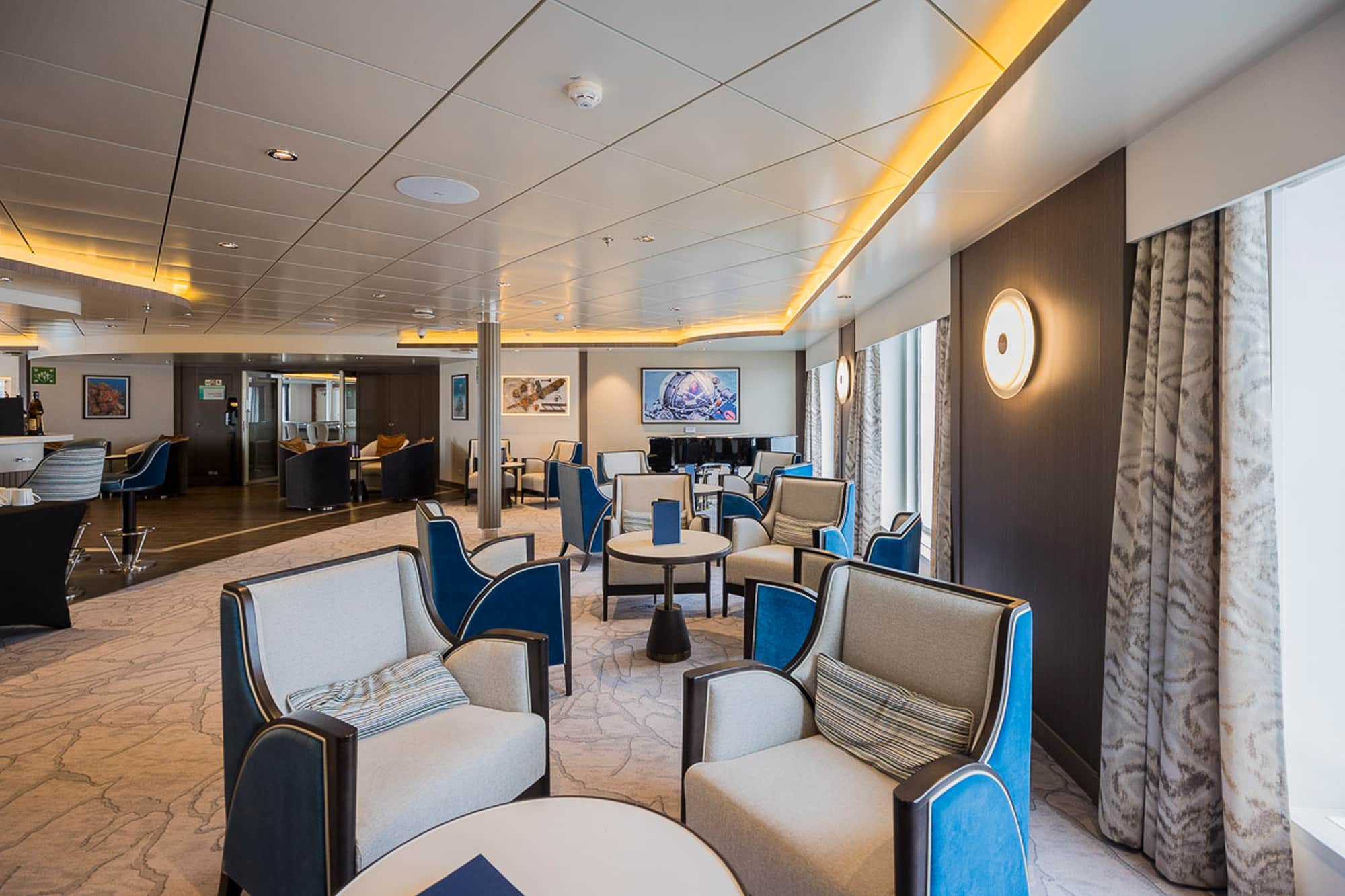
Expedition Ship Interior

Accommodation & Amenities

Modern expedition ships offer comfortable cabins with en-suite bathrooms, climate control, and ocean views. Most feature a restaurant with open seating (no assigned tables), lounge and bar areas, lecture halls for educational presentations, observation decks, and often a wellness centre or spa.

Dress code: Smart casual. No formal nights—pack comfortable clothing suitable for adventure travel.

Expedition Briefing

Daily Program

Each evening, your expedition leader outlines the next day’s plans—always subject to weather and wildlife conditions. Days typically include two shore excursions or zodiac cruises, enrichment lectures, wildlife spotting from deck, and plenty of time to simply absorb the landscape.

Pro tip: Don’t overschedule yourself. Take occasional breaks to avoid “polar burnout” and savour the experience.

Zodiac Landing

Shore Landings & Zodiac Excursions

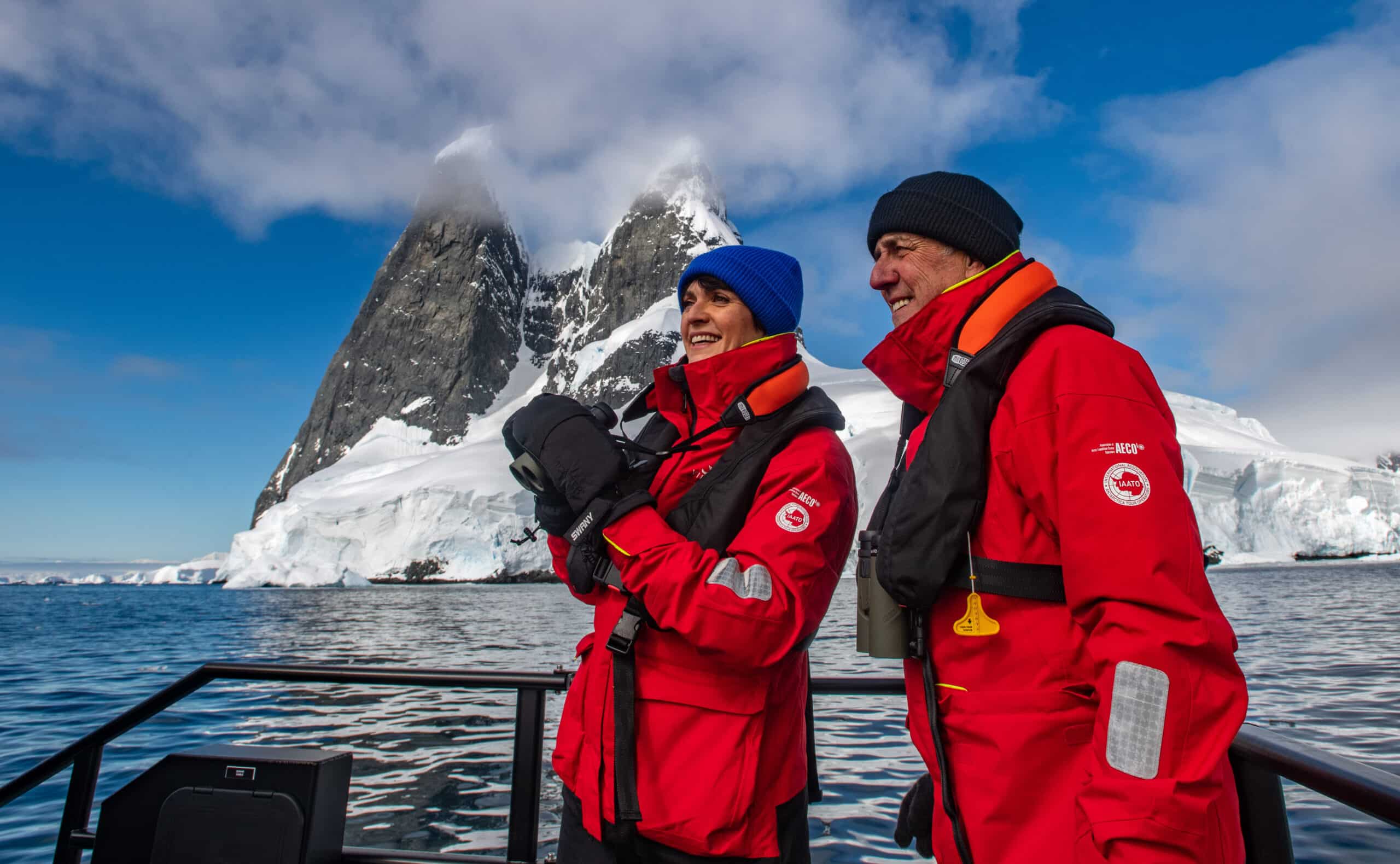
Expedition ships anchor offshore, and guests transfer to land via zodiacs—sturdy inflatable boats carrying 10-12 passengers. Most landings are “wet landings” where you step into ankle-to-calf deep water to reach shore. Waterproof pants and the rubber boots provided by your ship are essential.

Before each landing, expedition staff set up flagged routes marking safe walking areas. IAATO regulations limit shore parties to 100 people maximum, ensuring intimate wildlife encounters without overcrowding.

  • Rubber boots provided by ship (bring your size)
  • Waterproof pants required for wet landings
  • Life jackets worn during all zodiac transfers
  • Stay 5 metres from wildlife at all times

The Drake Passage: What You Need to Know

The Drake Passage—the 1,000km stretch between South America and Antarctica—is both legendary and often misunderstood. You’ll either experience the “Drake Shake” (notoriously rough seas) or the “Drake Lake” (surprisingly calm conditions). The crossing takes approximately two days each way.

Modern expedition ships are built for polar waters with stabilisers to minimise motion. Captains monitor conditions closely and adjust speed for passenger comfort. Most expeditioners find it far more manageable than expected.

Seasickness Tips:

  • Start medication 24 hours before boarding
  • Choose a mid-ship, lower deck cabin
  • Look at the horizon when on deck
  • Ginger, green apples, and dry crackers help
  • Ship medical staff have medication available
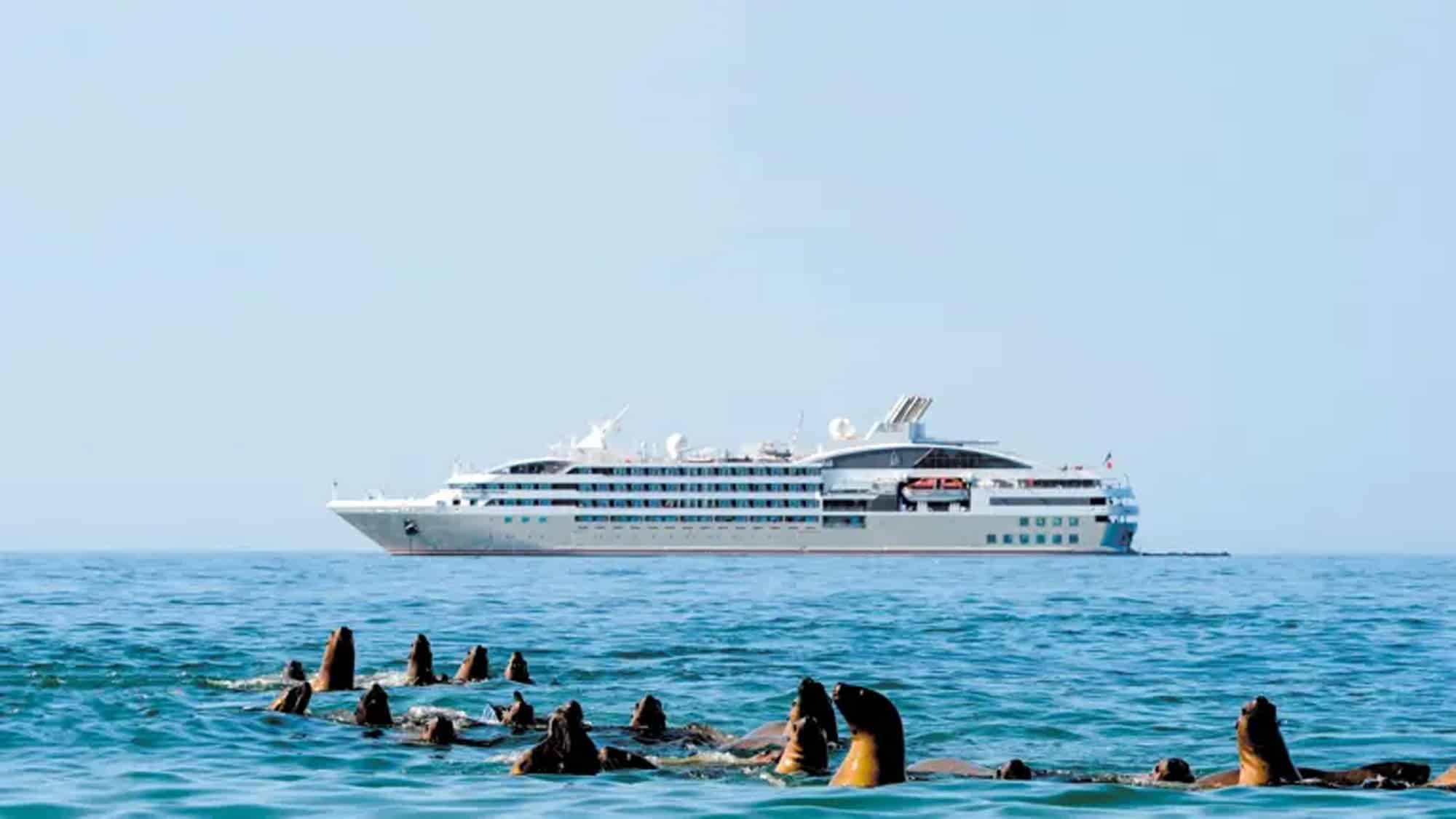
Drake Passage

Wildlife Encounters

What Wildlife Will You See?

Polar regions offer some of Earth’s most extraordinary wildlife encounters. What you see depends on your destination and timing, but expect remarkable experiences regardless of the specifics.

Penguins

Gentoo, chinstrap, Adélie (Antarctica), King (South Georgia), Rockhopper (Falklands)

Whales

Humpback, minke, orca, fin whales. Peak sightings Feb-March in Antarctica

Seals

Leopard, elephant, fur, Weddell seals (south); ringed, bearded seals (north)

Seabirds

Wandering albatross, giant petrels, skuas, Arctic terns, puffins

The Golden Rule of Polar Wildlife

Maintain a minimum 5-metre distance from all wildlife. However, curious penguins often approach visitors—if wildlife comes to you, stay still and enjoy the magical encounter!

Ready to Start Planning?

Our polar specialists will help you choose the perfect expedition based on your interests, fitness level, and budget. Get expert advice at no extra cost.

What to Pack

Essential Packing Guide

Good news: you need less than you think! Most expedition ships provide a complimentary parka (yours to keep) and loan rubber boots. Focus on layering and waterproof outer layers.
01 Base Layer

  • Thermal underwear (tops & bottoms)
  • Moisture-wicking athletic shirts
  • Wool or synthetic socks (3-4 pairs)
  • Sports bras for women

02 Mid Layer

  • Fleece jacket or pullover
  • Down or synthetic insulated vest
  • Comfortable hiking/travel pants
  • Warm hat (beanie style)

03 Outer Layer

  • Waterproof pants (essential!)
  • Warm gloves + liner gloves
  • Neck gaiter or balaclava
  • Sunglasses with UV protection

Photography Gear

  • Camera with zoom lens (100-400mm ideal)
  • Extra batteries (cold drains them fast)
  • Weather-sealed camera bag
  • Lens cloths and rain covers
  • Smartphone with good camera as backup
  • Binoculars for wildlife spotting

Don’t Forget

  • Seasickness medication
  • High SPF sunscreen (snow reflects UV)
  • Lip balm with SPF
  • Printed copies of travel documents
  • Journal and pen for memories
  • Small daypack for excursions
Physical Fitness

Physical Fitness & Health

No extreme fitness is required for most polar expeditions. However, moderate physical activity is involved—boarding zodiacs, walking on uneven terrain, and climbing ship stairs. Those with limited mobility can still enjoy deck-based wildlife watching and zodiac cruises.

  • Ability to walk 1-2 km on uneven ground
  • Comfortable stepping in/out of small boats
  • No upper age limit on most expeditions
  • Ships have medical staff and basic facilities
  • Comprehensive travel insurance required

Timing Your Adventure

When to Go: Seasonal Guide

Destination Season Best For Weather
Antarctica Nov – March Penguins, icebergs, wildlife; Dec-Jan peak activity, Feb-Mar whales -2°C to 8°C
Arctic/Svalbard May – Sept Polar bears, midnight sun; May-Jun ice & bears, July-Aug warmest 0°C to 10°C
South Georgia Nov – March King penguins, seals; Dec-Jan peak breeding, Feb-Mar whale activity 0°C to 8°C
Greenland June – Oct Icebergs, Inuit culture, fjords; Sept-Oct northern lights 0°C to 15°C

Investment

Understanding Your Investment

Polar expeditions are significant investments, but understanding what’s included helps you budget accurately and appreciate the value.

Typically Included

  • Cabin accommodation
  • All meals and snacks
  • Expedition parka (yours to keep)
  • Rubber boot loan
  • All shore excursions
  • Expert lectures & guides
  • Zodiac cruises
  • Port taxes & landing fees

Usually Extra

  • Flights to departure city
  • Pre/post cruise hotels
  • Travel insurance
  • Alcoholic beverages
  • Gratuities ($15-25/day)
  • Kayaking/paddling
  • Camping experiences
  • Laundry service

Budget Guide

Antarctica (10-12 days):
$8,000 – $20,000 USD

Arctic/Svalbard (8-14 days):
$5,000 – $15,000 USD

Triple Crown (20-24 days):
$15,000 – $31,000 USD

Add $2,500-$4,500 for flights from Australia

Insider Knowledge

Expert Tips for First-Timers

Embrace Flexibility

The best mindset is to expect nothing but be ready for anything. Weather dictates everything—planned landing sites may change, but unexpected opportunities arise. Expedition leaders often say the magic happens when plans change. Trust your team and embrace the adventure.

Put the Camera Down Sometimes

As one seasoned naturalist says: “The sightings are best when the camera’s at rest.” Take time to simply absorb the landscape, listen to penguin calls, and be present. You’ll remember these moments more vividly than any photograph could capture.

Read Before You Watch

Counterintuitively, don’t binge polar documentaries before your trip. Filmmakers spend weeks capturing single moments—expectations get unrealistic. Instead, read about polar history and ecology, take your trip, then watch documentaries afterward with newfound appreciation.

Engage with Fellow Travellers

Polar expeditions attract like-minded adventurers from around the world. Open seating at meals, shared zodiac rides, and deck-based wildlife watching create natural connections. Many passengers form lifelong friendships sharing these extraordinary experiences.

Common Questions

First Timer’s FAQ

We recommend booking 12-18 months ahead for best cabin selection and early booking discounts. Popular departures and holiday periods often sell out a year in advance. However, last-minute deals (within 90 days of departure) can offer savings of 20-40% if you’re flexible on dates and cabin types.

Yes—comprehensive travel insurance with emergency evacuation coverage is mandatory for all polar expeditions. We recommend minimum USD $100,000 medical evacuation coverage given the extreme remoteness of polar regions. Standard travel policies often exclude polar activities, so specialist polar insurance is essential.

Modern expedition ships have stabilisers, and captains adjust speed for comfort. Most passengers find the Drake Passage more manageable than expected. Start seasickness medication 24 hours before boarding, choose a mid-ship lower deck cabin, and the ship’s medical staff can provide additional remedies. Many first-time cruisers are pleasantly surprised.

Many expedition ships accommodate guests with limited mobility. While some landings require walking on uneven terrain, zodiac cruises, deck-based wildlife watching, and selected accessible landings ensure meaningful experiences. Discuss your specific needs with our specialists to find the right expedition.

Most ships offer satellite WiFi, though speeds are slower and more expensive than home connections. Consider this an opportunity to disconnect! Phone signal is generally unavailable in polar regions. Download entertainment, bring books, and embrace the digital detox.

Most operators set minimum ages of 8-10 years for Antarctic expeditions due to the physical nature of landings and safety requirements. Some family-focused departures welcome younger children with modified activities. Check specific expedition requirements when booking.

Absolutely! Polar expeditions attract many solo travellers, and the social nature of shared excursions, open seating dining, and expedition lectures makes meeting fellow adventurers easy. Some ships offer single cabins or reduced single supplements.

No extreme fitness required, but some preparation helps. Practice walking 2-3 km on uneven ground, climbing stairs, and stepping in/out of small boats. Building core strength helps with zodiac boarding. Most importantly, consult your doctor before booking if you have health concerns.

Polar Experts

Specialists who’ve visited these regions and can provide firsthand advice.

Best Price Guarantee

Same price as booking direct, plus exclusive perks and onboard credits.

All Ships & Lines

Access to every major expedition operator—we find your perfect match.

Full Support

Guidance from first enquiry through to safe return home.

Not sure where to start?

Take our quick quiz to discover which polar destination matches your travel style, interests, and budget. In just 2 minutes, we’ll recommend the perfect first expedition for you.

Decision Helper

Ready to Plan Your First Polar Adventure?

Speak with our polar specialists who will guide you through every step—from choosing your destination and ship to packing advice and pre-departure preparation.